
Slow Type, Hard Copy
Instant Slop has thrown the design industry into a race to the bottom—or ushering in a Golden Age of Analog

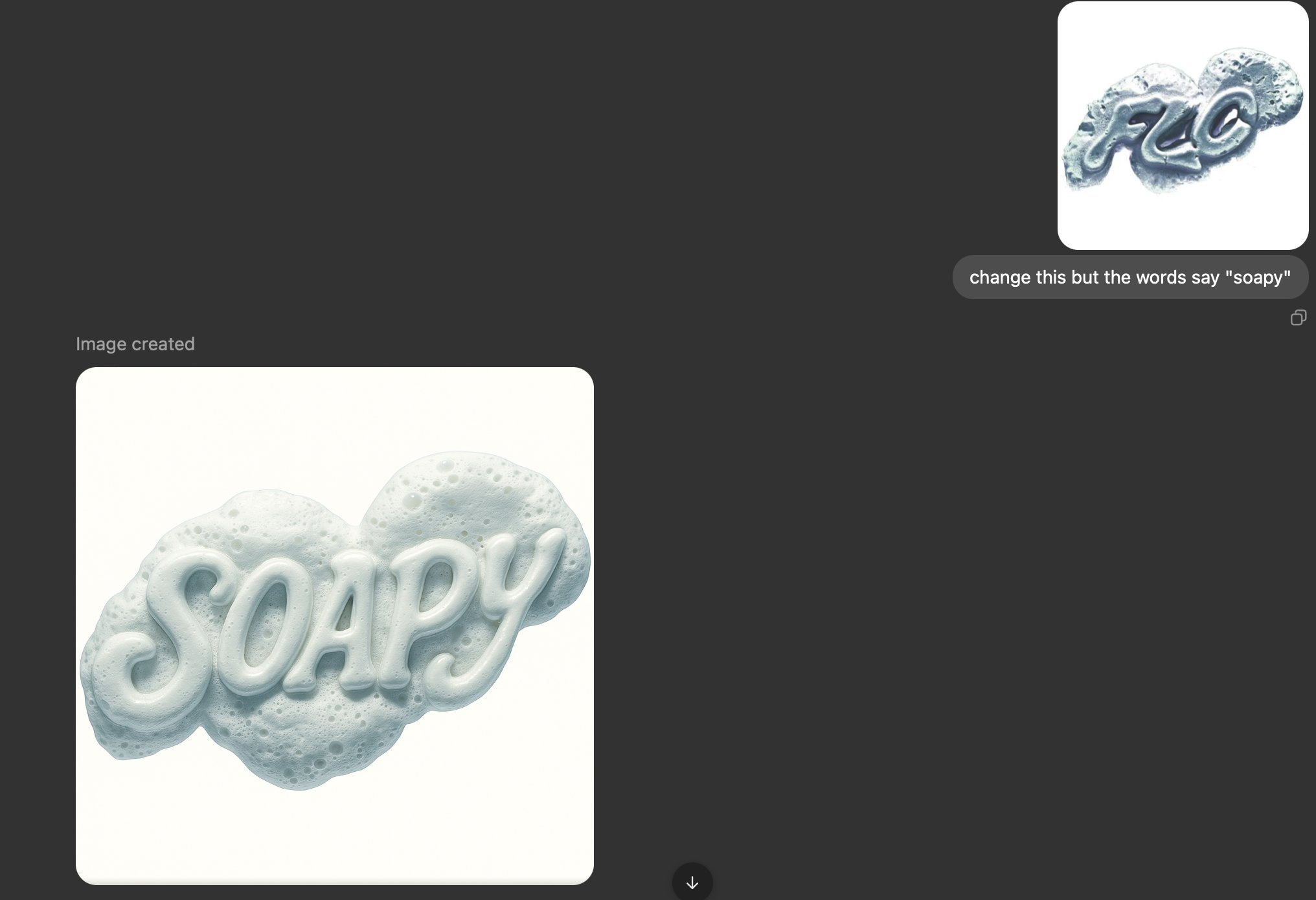
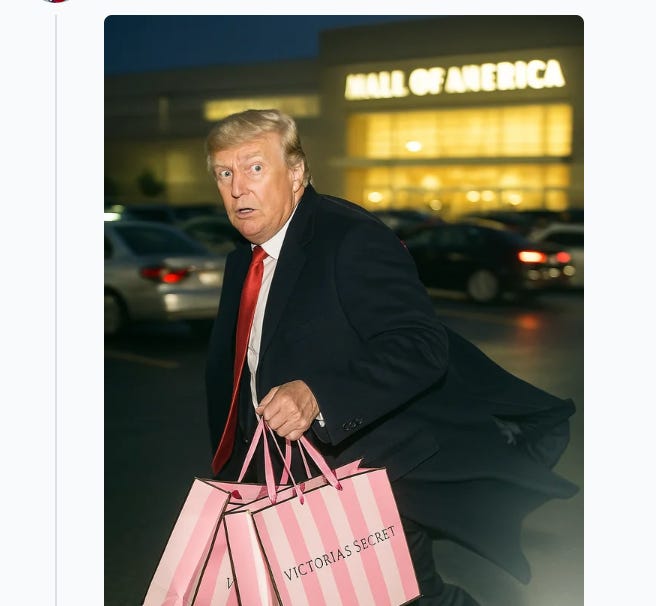
ChatGPT-4o rolled out an update on March 25, 2025 announcing some exciting development in its image generation. First responders on r/ChatGPT made quick work of testing its eerie new capabilities, producing infographics and images of government leaders, gasping at the Accuracy, the Texture, the Text.
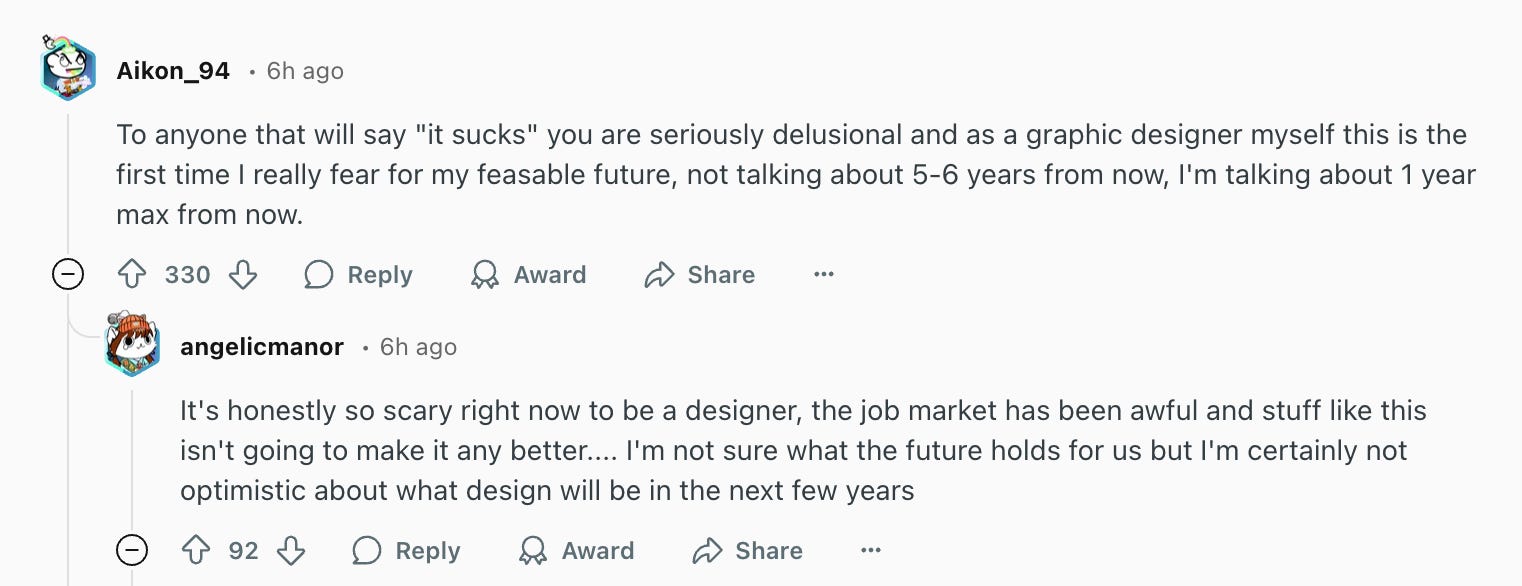
Once news rippled outside of Reddit, users across the internet rushed to make themselves into Studio Ghibli characters, and then faked their own cease and desists from the studio. Visual artists panicked in the fallout, with struggling graphic designers announcing that their careers, and their entire field, was doomed.
But other discussions emerged, from artists and designers, on the importance of physical craft, observation, and a deep empathy that only comes from intentional and loving witness of the living world; it’s this animism that AI image generation, for all of its marvels, ultimately lacks. Mastering visual mediums isn’t about changing how you draw (or paint, or carve), it’s about changing how you see.
Unfortunately, I’d hazard to guess that most people using generative AI don’t have these concerns at the front of their mind; it’s a creative tool that makes manifesting very easy in a superficially satisfying way. “I want to see it—so make it!” Ta-da. It’s pressing a button on both ends: connecting the impusilve ideation of the brain to the most unreal, instantaneous version of “creation” through prompt.
Anyone who has made anything by hand knows the humiliation of “That doesn’t look the way it’s supposed to.” The only course across that expanse is you have to do it again and do it better. The act of creating against literal, physical limits expands creative potential, because you are confronted with new forms in the process between the imagining and the becoming, and those new forms are exciting.
That space between Idea and Product is the most essential part—Process, which AI doesn’t show us. We get a blur of “Analyzing…” and then boom, you’re Ghibli. There is no challenge or new thinking on the human side of the prompt, so there is no creativity and there is no craft. The point of craft is that you actually have to make something and that act of making is hard.
We are entering a Slop Singularity, when imagery will be wholly defined by its unreality1, its total detachment from material conditions and creation; it’s benefiting from a lack of literacy on both ends of the spectrum, both the tell-tale signs of AI image generation (fingers and em-dash be damned), and the recognition of craft.
As culture descends down this spiral, we’ll be seeing more demand for the tangible, the touchable, the spontaneous, the messy, the intentional, the real. Or maybe that’s just what I want to see.
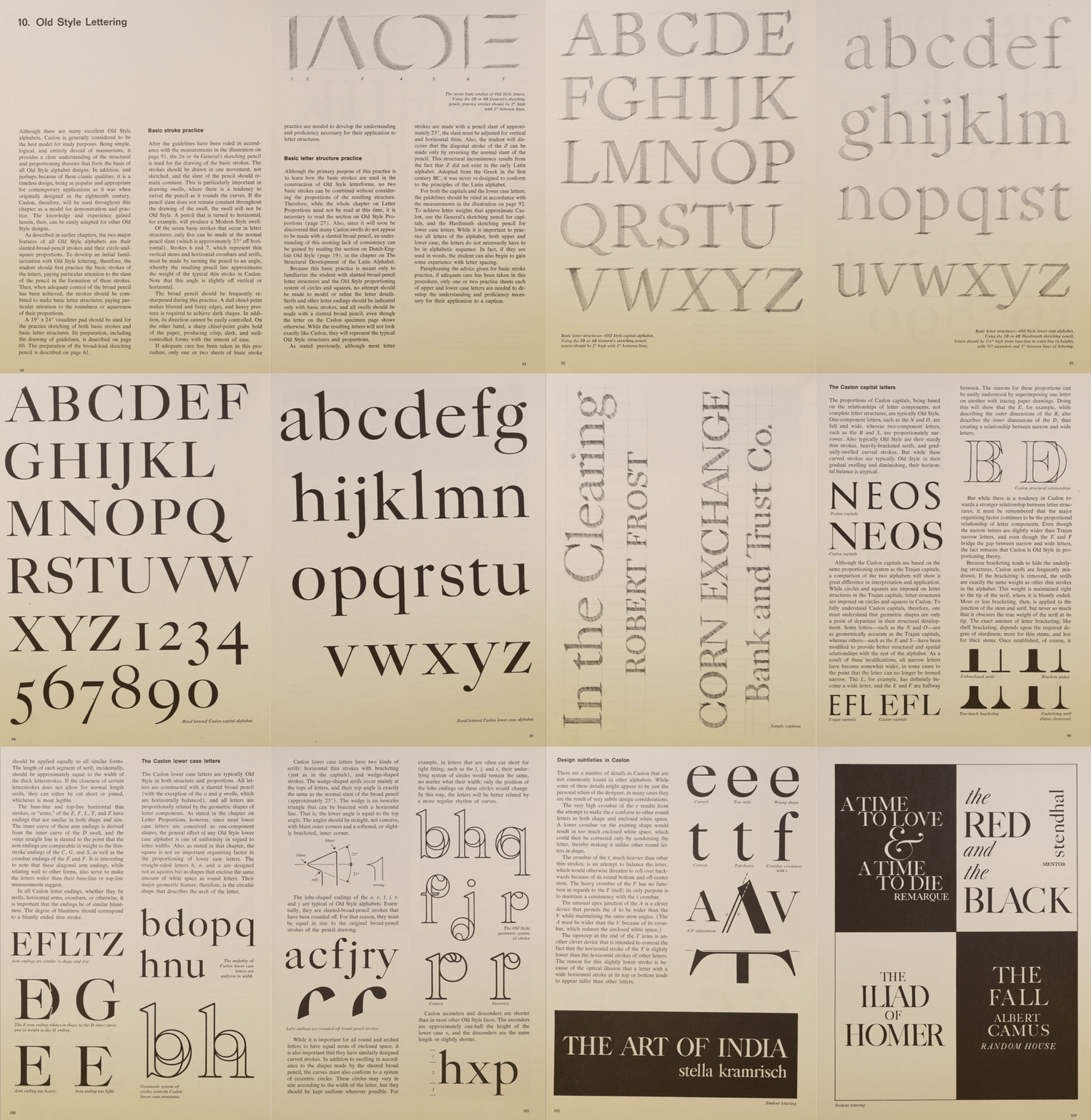
We’ve been separated from craftsmanship for a while, and because of tools that have made designer’s lives a lot easier and their process much faster. Lettering For Reproduction, David Gates’s bible of hand-made calligraphy and typography techniques, was published in 1969, decades before Photoshop. It spends its first 85 pages talking about the history and tools necessary in typography, from paper types to pen nibs to proper workstations.
Part 3 shows Gates’s exacting pencil sketches of type construction down to letterforms, and with each category of typography he instructs on—italics, brush, script, roman—he gives a detailed history of where it came from, who made it, why it looks like that, and how to recreate it with physical tools, letter by letter.
This is part of what’s now retroactively defined as “slow typography,” a term coined by design collective Hardworking Goodlooking in Filipino Folk Foundry. The publication itself is a record of “sign painting and vernacular aesthetics in Metro Manila,” reproducing one-of-a-kind calligraphy designed, developed, and carefully reproduced by sign painters and shop owners.
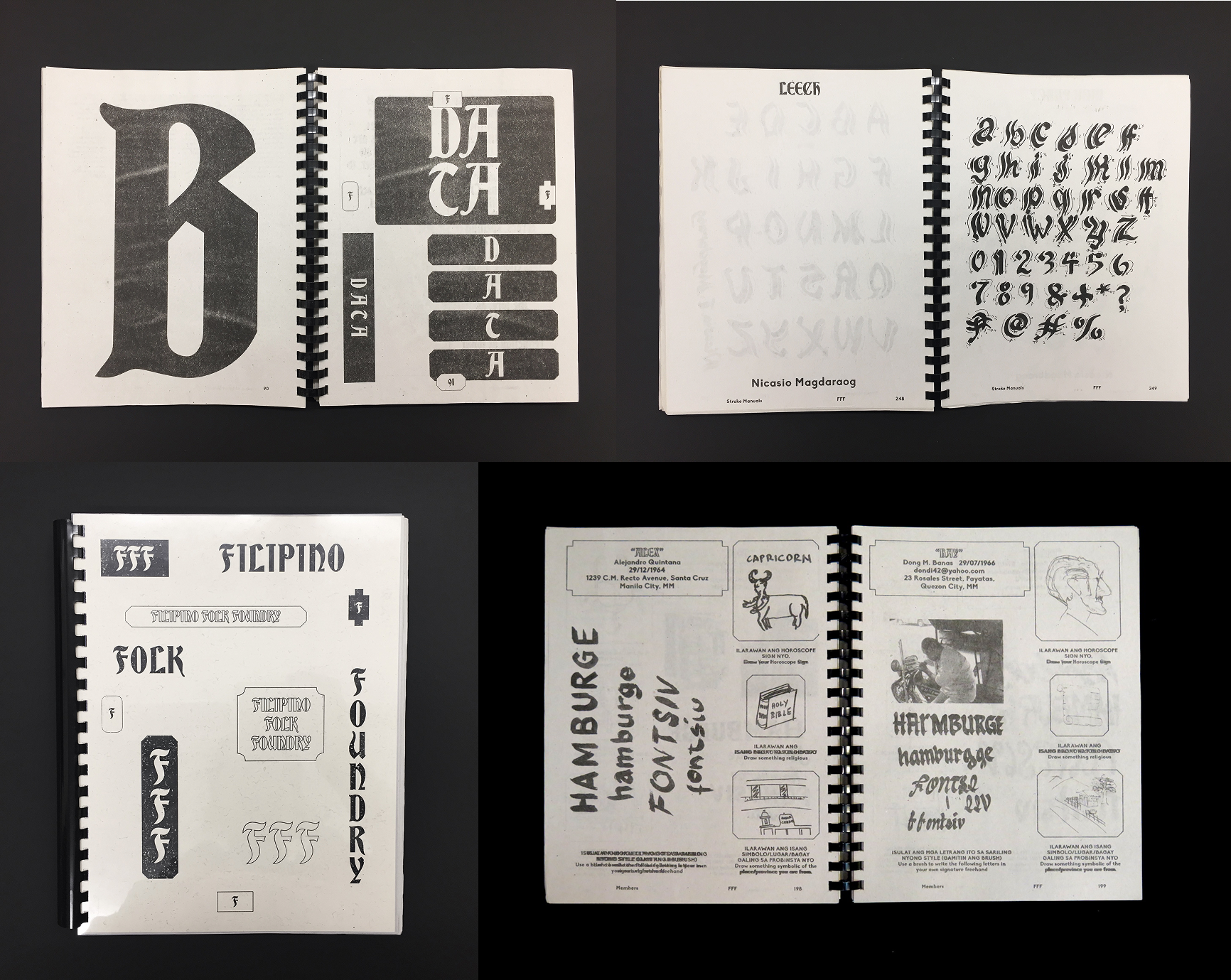
These documents affirm that aesthetics, design, and production are intrinsically linked to culture, environment, and physical limitations. That’s why, 60 years after it was published, Lettering for Reproduction still educates and astounds, and why Filipino Folk Foundry displays innovation and creativity impossible to replicate by AI. And most importantly, they’re physical, all-sensory. You can touch them and smell them. They’re real.


This craving for the real has led artists to meticulously document their creative processes and push conventional boundaries, focusing on process-heavy, demanding mediums like metalcasting, where the act of seeing it made is as beautiful as the finished piece. On the digital end, artists feed their audience screen-recordings of their entire process from sketch to completed work.
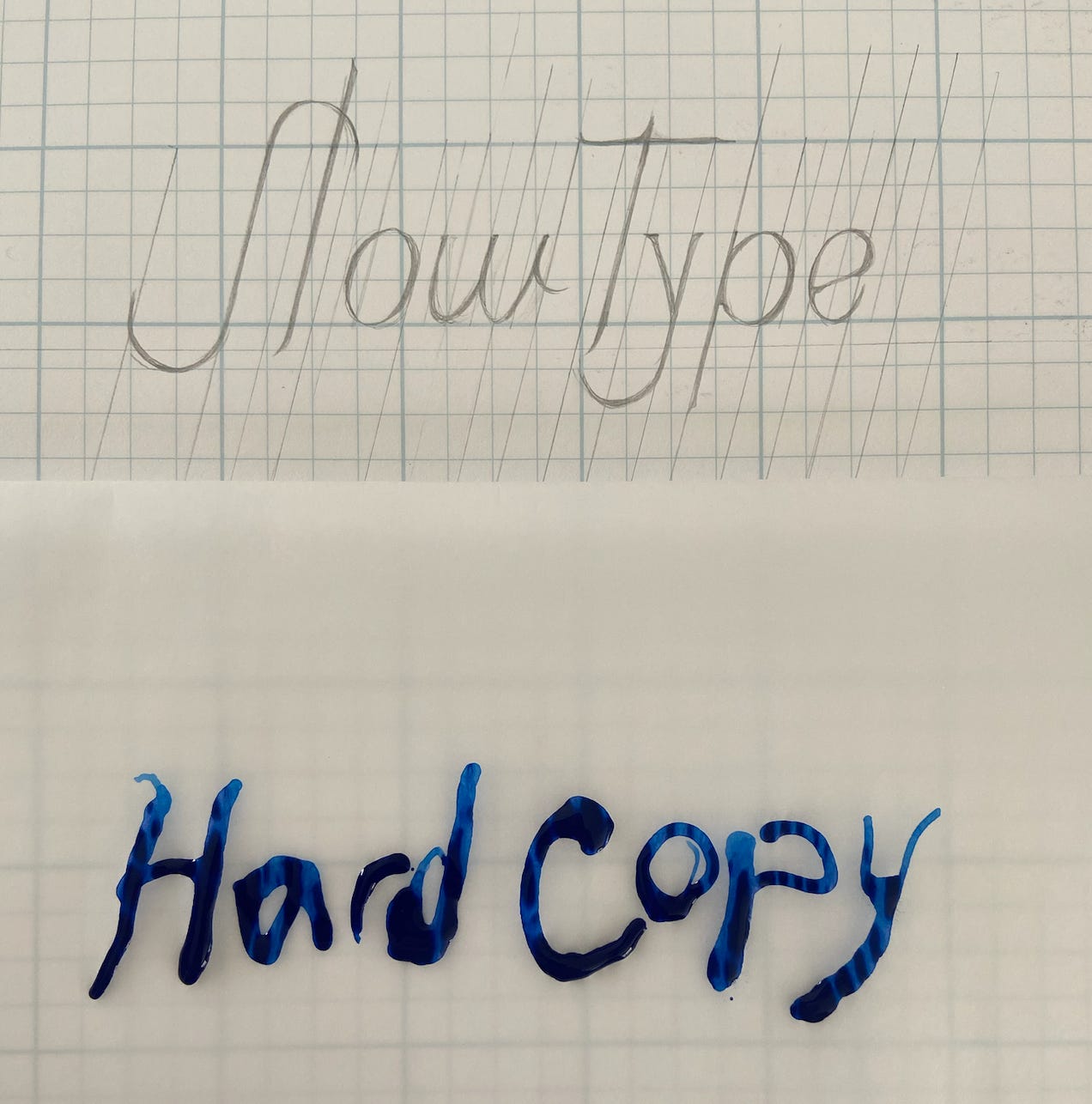
For fun and to close out, here’s a photo of how I made the cover of this Substack:
AI is unfathomably destructive, if we attend to the material, economic threats of job and income loss for visual industry workers, so much of which are freelancers who lack the economic and logistical power, such as centralized unions, to advocate for themselves. If we follow that line, we’ve already seen the results of image generation in producing propaganda and assisting in the age of chaos and unreality. As a species with our primary method of evidence is visual as the most enduring medium, from this point on our primary archive is going to be indeterminate from reality. But, propaganda is nothing new, nor is the use of visuals to not only record, but rewrite history. Maybe nothing can be trusted ever! More on that later.